

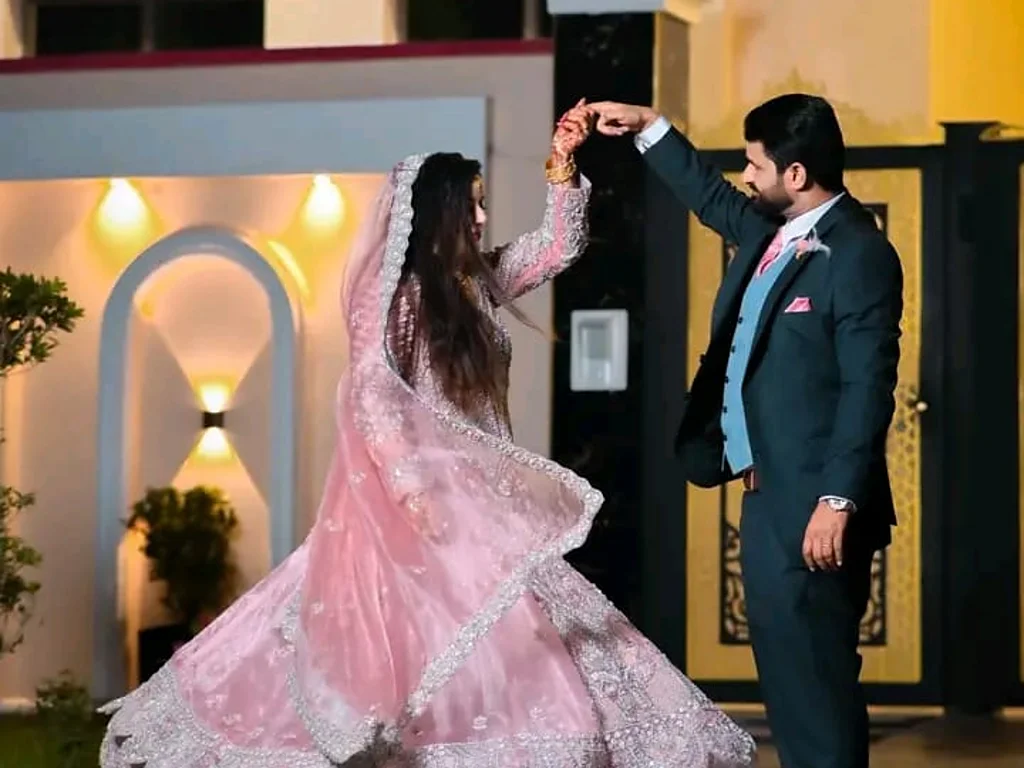
Processional cue
Someone has to start the music at the right instant, watching the actual door — not a clock.
Complete DFW Wedding Planning Guide
How to build a wedding timeline that survives contact with a real venue — and how media, sound, and lighting decisions follow from it.
Photo, video, DJ and MC, ceremony sound, lighting and effects — book one or several. When you book more than one, they are planned on a single timeline instead of four separate ones.
Most wedding-day problems are not vendor problems. They are timeline problems that nobody noticed until the room was full. This guide works through the day in the order it actually happens, and flags the decisions that quietly determine whether everything else runs smoothly.
About 12 minutes
Chapter 01
Pick the one moment you would protect at the cost of everything else — usually the ceremony, sometimes the portraits, occasionally the send-off. Place it first, then work outward in both directions.
Forward-built timelines accumulate optimism. Every block gets the time it deserves on paper, and by the time you reach the end, the day is twenty minutes over before anyone has arrived. Backward-built timelines force the compromises to surface while they are still cheap to make.
Once that moment is fixed, the two questions that reshape everything else are when the venue lets you in and when it makes you leave. Those are rarely negotiable and almost always tighter than couples expect.
Chapter 02
Guests forgive a lot, but not being unable to hear the vows. Outdoor ceremonies, high ceilings, and soft-spoken officiants are three common reasons people leave a wedding saying they missed the important part.
A single microphone on the officiant covers the officiant. It does not reliably cover two people speaking quietly toward each other. If the vows matter to you as a recording, that is a separate decision from whether the back row can hear them live.
Wind is the variable people underestimate outdoors. It is not just noise — it moves sound away from where you expected it to go.
Someone has to start the music at the right instant, watching the actual door — not a clock.
Lapel or handheld, with a plan for what happens if it fails mid-ceremony.
Readers move around. Decide whether they come to a mic or a mic goes to them.
The song that plays as you walk back out sets the tone for the next two hours.
Chapter 03
For guests, cocktail hour is the first unstructured time of the day. For everyone working the event, it is a room flip, a portrait session, and a soundcheck happening simultaneously in different places.
A common problem here is assuming these can all run at full speed at once. Portraits take longer than the schedule says because families are hard to gather. Room flips take longer because vendors are waiting on each other.
Decide in advance which of the three is allowed to run long, and what gets shortened when it does.
Chapter 04
Grand entrance, first dance, dinner release, toasts, and open dancing. Most of the evening sits between them. Each transition is a handoff where music, microphone, lighting, and camera all have to agree on what happens next.
Names, order, and where each person waits. Then straight into the next planned thing — dead air here is hard to recover from.
Decide whether it follows the entrance immediately or comes after dinner. Both work; ambiguity does not.
Table-by-table or open. This is a coordination decision with catering, not a music decision.
A frequent overrun. Someone should gather speakers before the block starts.
The first ten minutes tend to set the tone for how the rest of the night dances.
Chapter 05
Names get mispronounced when nobody writes them down phonetically. It is avoidable, and families remember it.
Chapter 06
Hours are a planning frame, not a promise about crew size or deliverables. Six hours starting at the ceremony is a very different day from six hours starting with getting ready.
The useful question is not how many hours, but which moments must be covered and which can be missed. Work out the earliest and latest thing you would regret not having, and the number falls out of that.
Photo and video want different things from the same moment. Photo wants a clean angle and a fraction of a second; video wants continuity and usable audio. Planning them together is how you avoid one standing in the other's shot.
A tighter story around the most important window of the day.
Room for preparation, portraits, ceremony, and reception context.
For longer sequences, more transitions, or a second location.
Chapter 07
Every effect below is subject to venue approval and safe operating conditions. Ask before you promise it to anyone.
Cold sparks, low clouds, and haze all interact with fire detection, ceiling height, flooring, and insurance. A venue that says yes in an email may still say no on the day if conditions changed.
Ask early, get it in writing, and have a fallback you would actually be happy with.
Chapter 08
One page. Everyone working the event has it. If something is not on it, it is not going to happen on cue.
Go deeper
Wedding Planning Guide
A practical checklist for aligning entrances, toasts, media coverage, music, and room transitions.
Open checklistPhoto + Video Guide
Decide where coverage matters most before choosing hours, crew size, or deliverables.
Open checklistProduction Guide
A safety-first approval checklist for booths, low-lying clouds, cold sparks, lighting, and custom production.
Open checklistQuestions, answered
An early version is useful, but the one that matters is confirmed after the venue walkthrough and final guest count. Expect it to change at least once.
Small rooms still defeat quiet speakers, and outdoor spaces defeat almost everyone. The honest test is whether someone in the back row could hear a normal speaking voice with guests present.
Yes. Everything is modular. Add what belongs on your day and leave the rest out of the conversation.
The next useful step
Start with the date, the venue or city, and the moments you already know matter. Exact scope comes next.